“AI engineer” isn’t one job
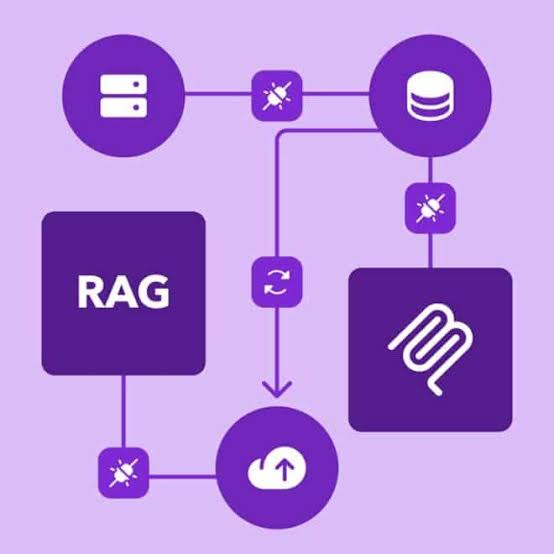
The title gets used for wildly different roles. A machine learning researcher builds and trains novel models from scratch — rare, expensive, and usually unnecessary unless your core product is the model itself. An ML engineer takes existing models and builds training/inference pipelines around them — relevant if you’re fine-tuning models on proprietary data. An AI integration engineer builds production systems around LLM APIs — RAG pipelines, agent workflows, prompt engineering, evaluation, tool use — this is the role most funded startups actually need. And a data engineer builds the pipelines that feed any of the above — often the unglamorous bottleneck nobody budgeted for.
Most Series A startups embedding AI into a vertical product need the third category — an AI integration engineer — not a research scientist. Hiring a PhD-heavy ML researcher when what you need is someone who can build a solid RAG pipeline and ship it is an expensive mismatch, and that person will be bored and gone in six months.
Realistic timeline and cost of a full-time hire
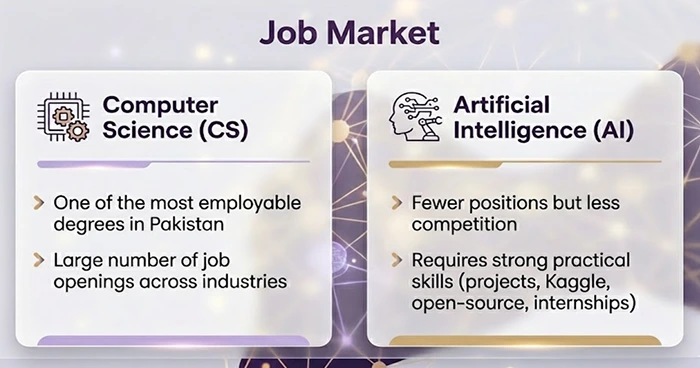
A quality AI integration engineer in the US market runs $150K-220K+ base, plus equity, plus 3-6 months to hire well (sourcing, interviewing, closing, onboarding). During that window, your AI roadmap is stalled or being handled ad hoc by backend engineers pulled off their core work. If the hire doesn’t work out — and AI engineering has a wide skill variance because the field is young and titles are inflated — you’re looking at 9-12 months lost before you have a working system.
For a company burning runway on a 18-24 month runway clock, that’s a meaningful chunk of your timeline spent on hiring risk before you’ve shipped anything.
What to actually evaluate in an AI engineering candidate
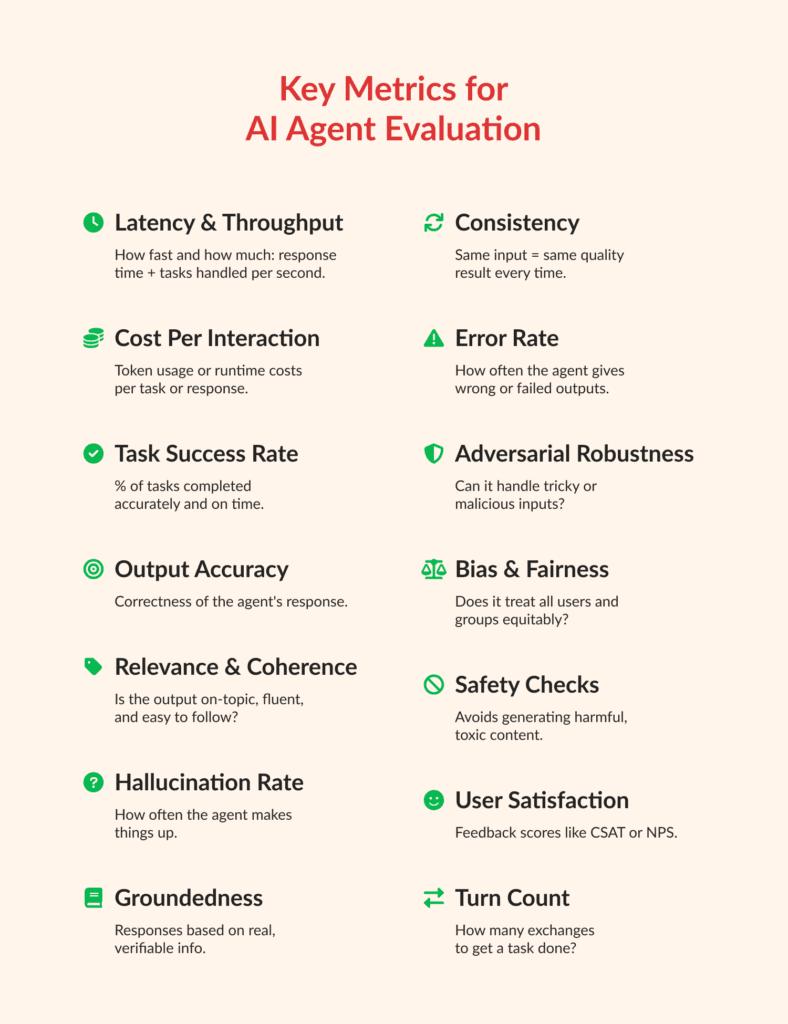
Résumés are noisy right now — everyone has “LLM” and “GenAI” on their LinkedIn. What actually predicts whether someone can ship: have they taken a RAG system past the demo stage to something handling real, messy data? Can they explain a specific production tradeoff they made — chunking strategy, model routing, cost vs. latency — with real numbers, not just “I used LangChain”? Do they have an opinion on evaluation, or do they just talk about prompt engineering? Can they talk about a system they built that failed, and why?
If a candidate’s entire AI experience is “I connected the OpenAI API to our app,” that’s a starting point, not evidence they can architect a production system with retrieval, guardrails, and cost controls.
The alternative: scope the work before you scope the hire
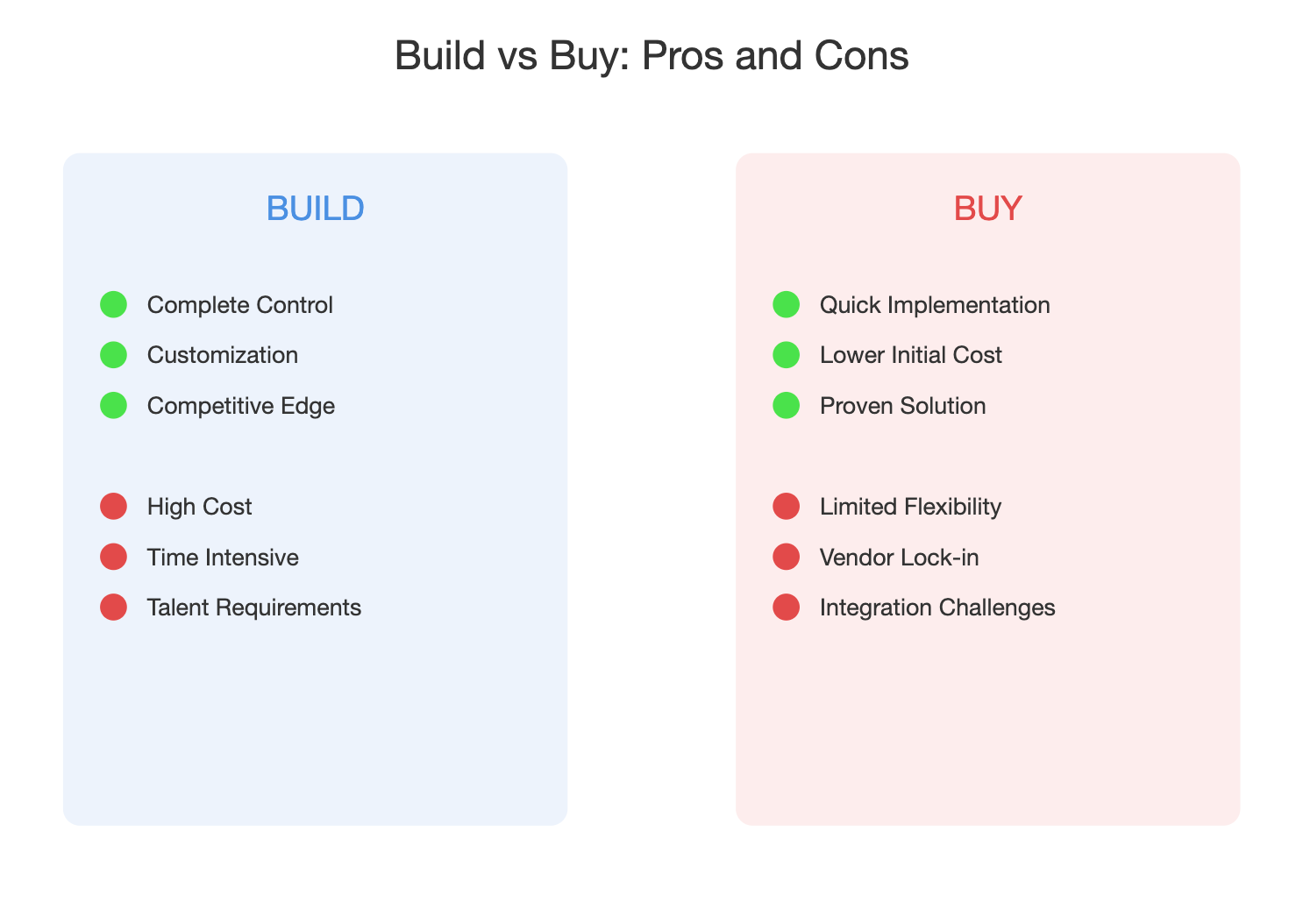
A pattern that works well for funded startups: use a scoped outside engagement to build the first production AI system, then hire a full-time AI engineer once you know exactly what that person needs to own day-to-day. This flips the usual order — instead of hiring speculatively and hoping the architecture they build is right, you get a working system first, then hire someone to extend and maintain it with a clear job description written from real requirements instead of a guess.
This also de-risks the hire itself. Interviewing an AI engineering candidate is much easier when you can ask them to review an actual system you’ve built and discuss what they’d change, versus asking hypothetical whiteboard questions about a domain most interviewers can’t evaluate well themselves.
What this looks like in practice
At NextPak, this is a common entry point for Series A clients: a scoped 60-90 day engagement to design and ship a specific AI system — a RAG-based feature, a chat interface, a document processing pipeline — with our AI Integration Engineers, who work across OpenAI and Gemini, custom LLM workflows, RAG, and FastAPI/Node backends daily. Some clients extend into a longer dedicated engagement afterward (roughly $4,500-6,000/month for a dedicated engineer), but most projects are scoped builds, not headcount replacement. You end up with a working system and a much clearer picture of what your first internal AI hire should actually look like.
The bottom line
Don’t hire “an AI engineer” as a vague mandate from the board. Define the actual role you need (usually AI integration, not research), understand the realistic cost and timeline of hiring well, and consider proving out the architecture with a scoped engagement before you commit to a six-figure hire you’re not yet equipped to evaluate.
CTA: If you’re trying to figure out what AI engineering role you actually need before you post a job, talk it through with us first — nextpak.org, short call, no obligation. NextPak has been AI-first since 2020.