What actually goes wrong
It’s rarely about raw skill. Most offshore developers who don’t work out can code fine. The failure modes are almost always:
Communication gaps that surface late. The developer nods along in standups, says “yes, understood,” and then delivers something that misses the brief entirely — not because they’re careless, but because they didn’t feel comfortable flagging confusion in real time.

Timezone mismatch disguised as availability. They’re “available,” but available means replying six hours after you asked a blocking question, which turns a two-day task into a week.
Overselling on the front end. A vendor shows you a portfolio and a resume, you approve based on that, and the person who actually shows up to do the work is someone else entirely, or the same person but stretched across four other client accounts.
No real accountability structure. When it’s not working, there’s no clear mechanism to fix it — you’re stuck negotiating with an account manager who has no incentive to admit the placement failed.
The real cost, in numbers
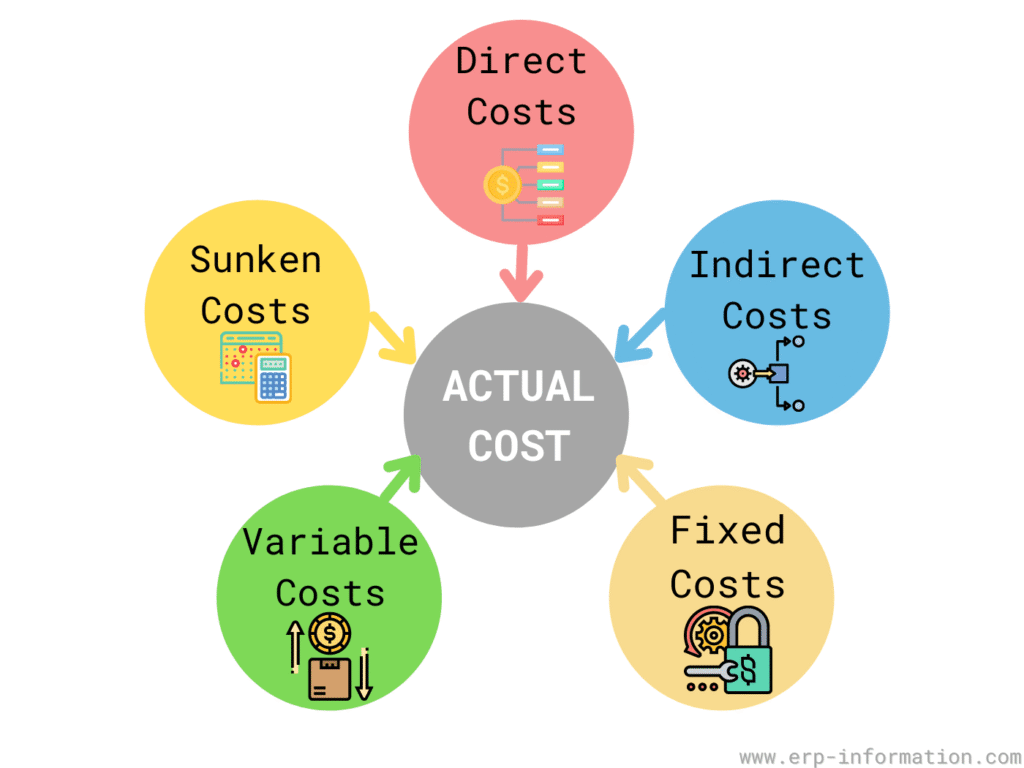
Say you bring on a dedicated developer for a client project and it’s not working. If you don’t catch it until week 3 or 4 (which is common — agencies often give it “more time” hoping it improves), you’ve burned:
- 3-4 weeks of the developer’s rate, roughly $2,800-4,000 depending on role, for work you’ll likely have to redo
- 3-4 weeks of your delivery lead or PM’s time managing and re-explaining
- Client-facing delay on whatever they were promised — the actual reputational cost, which is the one that compounds
- The emotional tax of having to explain to a client why the timeline slipped
That last one is the expensive part. Agencies don’t lose clients over a single missed deadline. They lose clients when the missed deadline reveals that the agency doesn’t actually have control over its own delivery process. That’s the moment a client starts shopping around.
Why most vendors don’t want you to catch problems early
Here’s an uncomfortable truth about a lot of outsourcing and staffing vendors: their business model depends on placements sticking, whether or not the fit is right. A replacement means lost revenue for them, so the incentive is to encourage you to “give it more time” rather than fix the mismatch fast.
That incentive misalignment is the actual hidden risk — not the developer’s skill level, but whether the vendor is structured to admit and fix a mistake quickly, or structured to ride it out and hope you don’t notice.
How a week-1 replacement guarantee flips the incentive
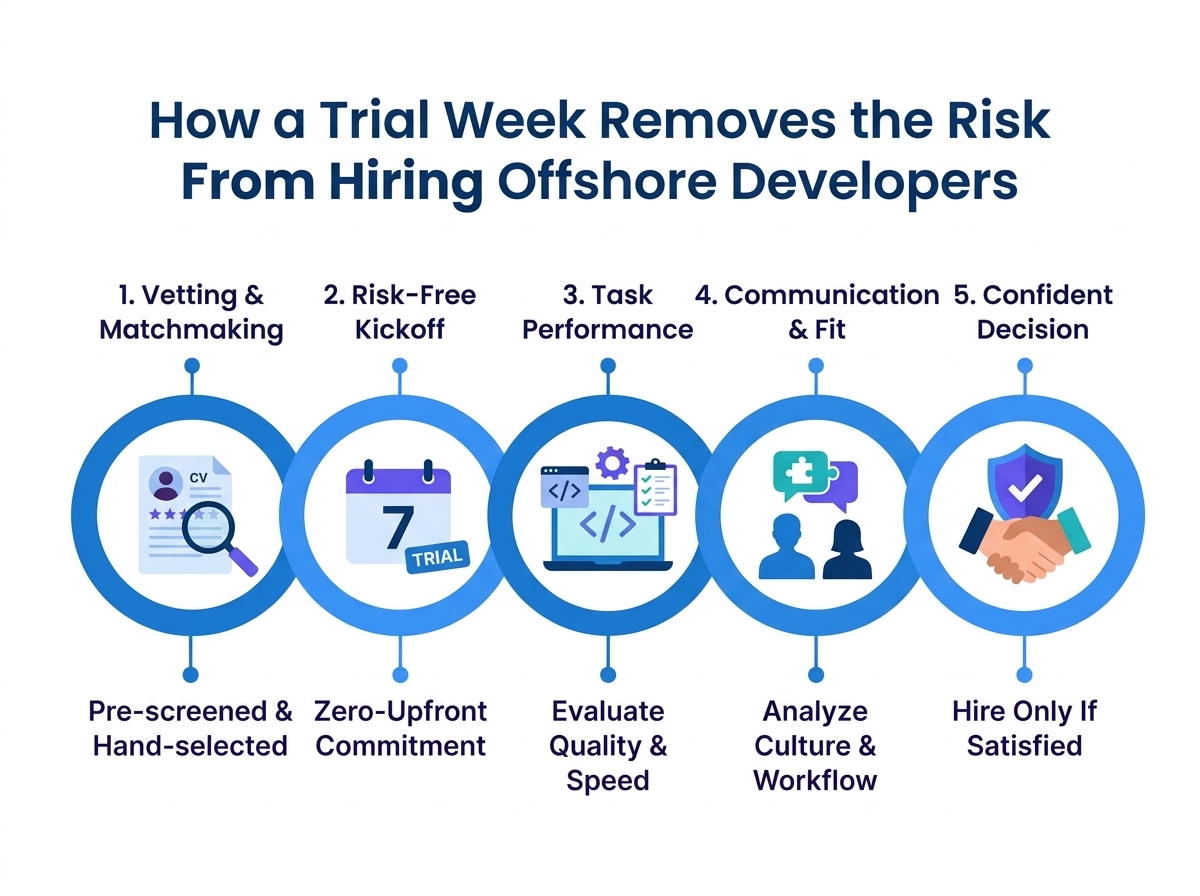
A week-1 replacement guarantee — not the right fit in the first week, free replacement, no questions asked — does two things that matter more than the guarantee itself.
First, it forces honest evaluation early. You’re not waiting a month to see if things “click.” You’re actively watching output, communication, and fit from day one, because you know the window to flag a mismatch is short and consequence-free.
Second, it aligns the vendor’s incentive with yours. If a vendor loses nothing by getting the match wrong, they have no reason to invest in getting it right the first time. If a bad match costs them a placement fast, they’re motivated to send you people who are actually going to work — not just people who look good on paper.
At NextPak, this is standard on every engagement: dedicated developer joins your team, works your timezone overlap, and if it’s not the right fit in week one, we replace at no cost. No negotiation, no “let’s discuss.” That’s not generosity — it’s just the only structure that makes sense if you actually believe in the match you’re making.
What to ask before you sign anything
Before committing to any offshore staffing partner, ask directly: what happens if this doesn’t work out in the first week? If the answer is vague, or involves a multi-week notice period, or comes with financial penalties for switching, that tells you how the incentives are actually structured — regardless of what the sales pitch says.
CTA: Book a 15-minute call and see how the week-1 replacement guarantee works in practice — we’ll walk you through 2-3 profiles for the role you need. More detail at nextpak.org/agencies.